
Why I Built a 3D Quiz Game for Studying (Not for Fun, for Retention)
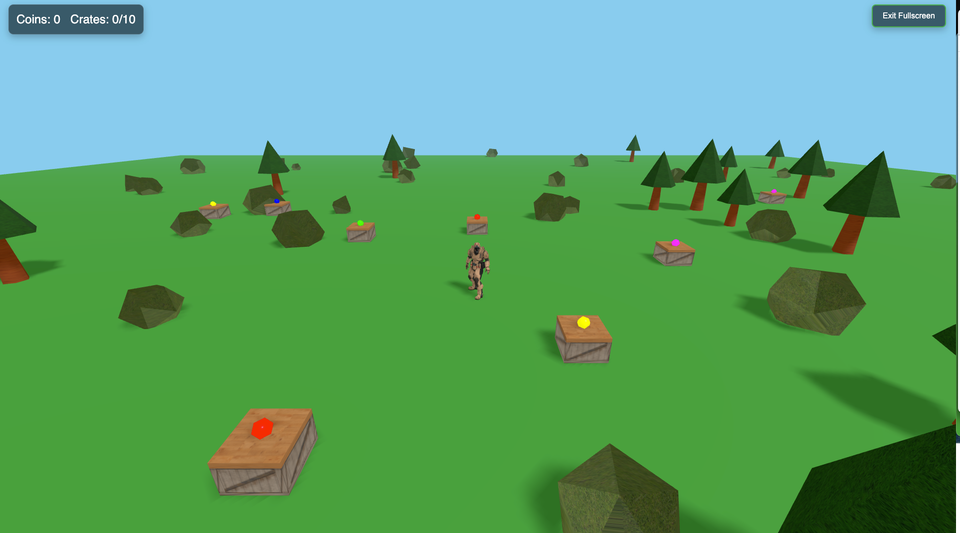
Studying as a part time degree student is a constant trade off. You have limited time, limited energy, and usually too much content. I built Ulangkaji.net because I needed a system that helps me revise consistently without relying on motivation.
Then I added something unexpected: a 3D Quiz Adventure.
Not because I wanted to gamify studying for fun, but because I wanted better retention with less friction.
The real problem: I was studying, but not retaining
Before the 3D game, my studying looked like this:
- Read notes or slides
- Highlight important parts
- Re read again when exams are near
- Feel like I understand
- Forget during quizzes or exams
The issue was not effort. The issue was the method.
What actually builds memory is not re reading. It is retrieval practice, forcing your brain to pull the answer out repeatedly over time. That is uncomfortable, and that discomfort is exactly why it works.
So I asked myself:
How do I make retrieval practice feel automatic, something I do without negotiation?
The learning principle: make active recall the default
A lot of study apps try to be helpful by being easy. But retention improves when:
- You attempt questions (even if you fail)
- You get fast feedback
- You repeat weak areas
- You keep coming back consistently
So the product goal became:
Make active recall the default behavior.
Not an optional feature. Not a nice to have. The main loop.
Why 3D specifically?
A normal quiz page works. Flashcards work too. But I found two problems:
Starting is the hardest part
When I am tired after work, clicking into Quiz Mode feels like work.
Focus is fragile
A typical quiz UI looks like every other form: text, buttons, score. My brain drifts.
A 3D environment solves a very specific thing:
It makes “I will do 5 questions” feel like “I will play one short run.”
That sounds small, but it is a major behavioral lever. I am not trying to trick myself. I am trying to reduce starting friction and keep attention stable long enough to do meaningful recall.
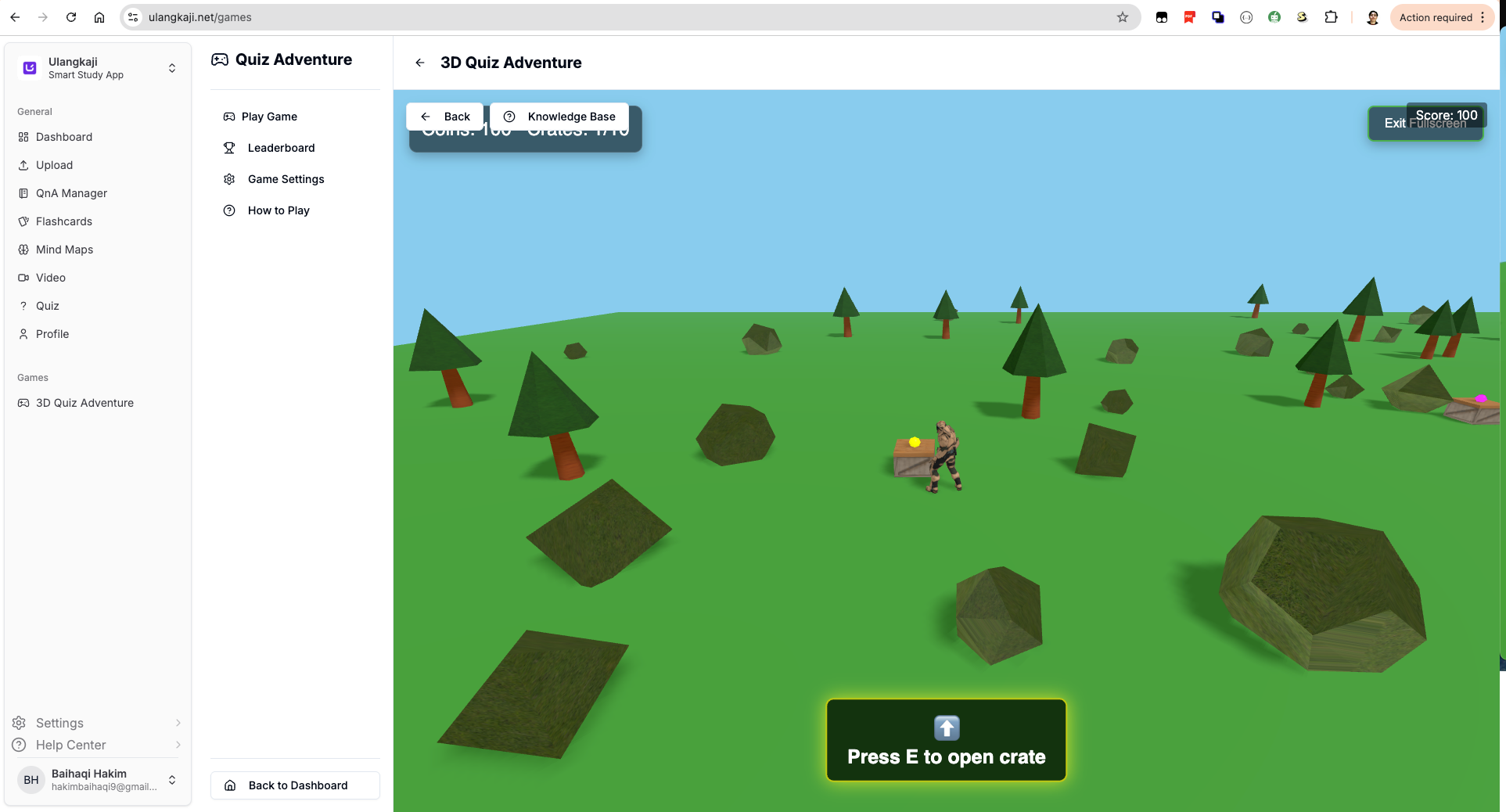
The game loop (and how it maps to learning)
In the 3D Quiz Adventure, the mechanics are simple on purpose:
- You move around the world
- You find a crate
- The prompt appears: “Press E to open crate”
- You answer a question
- You gain coins or score
- You continue
This loop is intentional:
1) Movement equals engagement, not distraction
The world is calm with minimal chaos. It is there to keep you present.
2) Crates are question triggers
The crate acts like a physical anchor, a clear moment to stop and recall.
3) Pressing E is a micro commitment
That one action is a tiny ritual: I am choosing to attempt this.
4) Coins and score are immediate feedback
Not to make it addictive, but to make progress visible in small chunks.
5) Leaderboard (optional) supports consistency
Some days motivation is low. A simple scoreboard can push you to do just one run.
But will gaming distract from learning?
That is a common concern, and it is valid.
So I designed the game around one rule:
The game must never be more interesting than the question.
That is why the environment is simple, low poly, and low noise. No complex quests. No dopamine heavy effects. No endless rewards.
The point is:
- More attempts
- More repetition
- More retention
What makes it different from a normal quiz page?
A normal quiz page is efficient, but it is also easy to quit. The 3D mode adds:
- A sense of session (a run)
- A sense of progress (movement plus score)
- A sense of continuity (keep going to the next crate)
For me, it increased the number of questions I attempt when I am tired.
Not because it is entertaining, but because it is less mentally heavy to start and continue.
The retention goal: fail faster, learn faster
When I study traditionally, I avoid discomfort.
In the game, failing is normal because:
- It is one crate out of many
- You just move on
- You can come back again later
This matters because memory is built through:
- Attempting
- Failing
- Correcting
- Repeating
So the game is designed to make failure cheap.
How it connects to Ulangkaji.net’s bigger workflow
The 3D game is not a standalone gimmick. It is a layer on top of the study pipeline:
- Upload or create content
- Store it in a Knowledge Base
- Generate or manage questions in QnA Manager
- Practice via:
- Flashcards
- Quizzes
- Mind maps
- 3D Quiz Adventure
Same knowledge, different practice format.
The real value is multiple ways to do recall, depending on mood and energy.
What I am improving next (to increase retention further)
The current loop is strong, but retention gets even better when the system adapts to you. Next upgrades I am focusing on:
- Weak topic targeting: spawn more crates from topics you keep missing
- Spaced repetition scheduling: bring back questions at the right time
- Attempt history and analytics: accuracy trends, weak chapters, improvement over time
- Difficulty settings: mixed questions vs chapter based runs
- Boss level mode: past year or high difficulty sets at the end of a run
Final thought
I did not build a 3D quiz game because studying should be fun.
I built it because studying should be repeatable.
If a 3D world helps me do more recall sessions consistently, especially as a part time student with limited energy, then it is not a gimmick.
It's a tool for retention. After this, I might add some excitement to the game by adding levels, story mode, or another character.
Try it
If you are also studying while working, and you struggle to stay consistent, try one short run in the 3D Quiz Adventure inside Ulangkaji.net. Treat it like a 5 minute recall session, not a game.